Tracing Decision Pathways Through Layered Entertainment Options in Resort Settings
Written by Tina Roth · Jun 8, 2026
Tracing Decision Pathways Through Layered Entertainment Options in Resort Settings
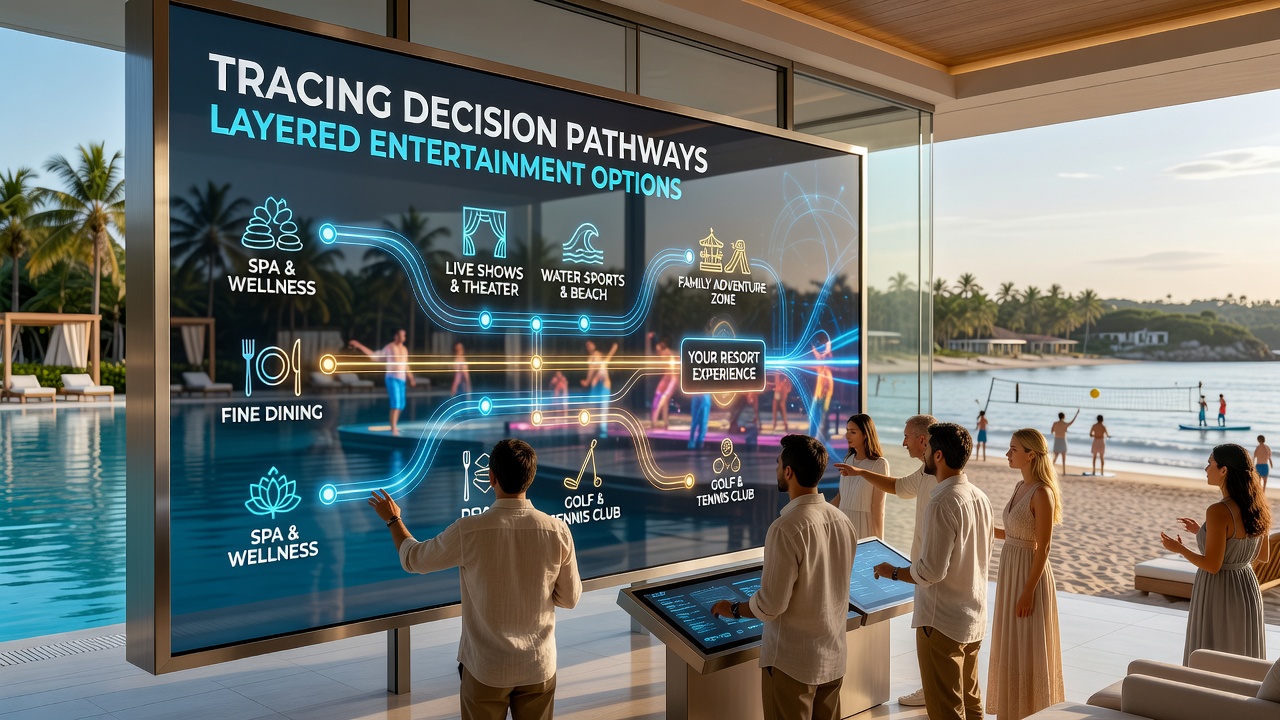
Resort environments present guests with interconnected layers of entertainment that range from gaming floors and live performances to wellness centers and outdoor activities, and tracing the pathways guests follow through these options reveals patterns shaped by layout design, time availability, and personal preferences. Large integrated resorts typically organize spaces so that primary attractions connect through central hubs, which allows visitors to move between casino areas, theaters, and restaurants without retracing steps, while secondary pathways lead to spas or golf courses that require more deliberate planning.
Mapping Guest Flow in Multi-Layered Resorts
Studies of resort operations show that guest movement often follows predictable sequences during peak periods, beginning with arrival and check-in before branching into initial choices such as poolside relaxation or quick dining stops. Data from major properties indicate that many visitors allocate blocks of time across categories, spending morning hours on recreational facilities and shifting to evening performances or gaming sessions, and these patterns emerge because resort designers position high-traffic amenities near elevators and main corridors to reduce friction in decision making.
Pathway analysis conducted at properties across North America and Asia demonstrates that proximity influences selection rates, with options located within 200 meters of guest rooms seeing higher utilization than those requiring longer walks or shuttle rides. Observers note that digital wayfinding tools, including mobile apps that display real-time availability for shows and tables, further shape these routes by highlighting open slots and reducing wait times at popular venues.
Factors That Shape Decision Sequences
Multiple variables intersect when guests evaluate entertainment layers, including budget constraints, group composition, and seasonal offerings that change throughout the year. Research from hospitality analytics firms reveals that families tend to prioritize daytime activities such as arcades or water parks before moving toward shared dining experiences, whereas adult groups often alternate between gaming sessions and nightlife venues in tighter loops that minimize downtime. Weather conditions also redirect flows, pushing indoor options like shows and lounges higher on priority lists during rain or extreme heat.
Resort management teams collect movement data through loyalty program tracking and sensor systems, which allows them to adjust staffing and promotions in response to observed pathways. Figures from industry reports compiled by groups such as the American Gaming Association indicate that coordinated scheduling across entertainment types increases overall guest satisfaction metrics, because aligned start times for performances and table games reduce the need for extended waiting periods between activities.
Role of Technology in Pathway Optimization
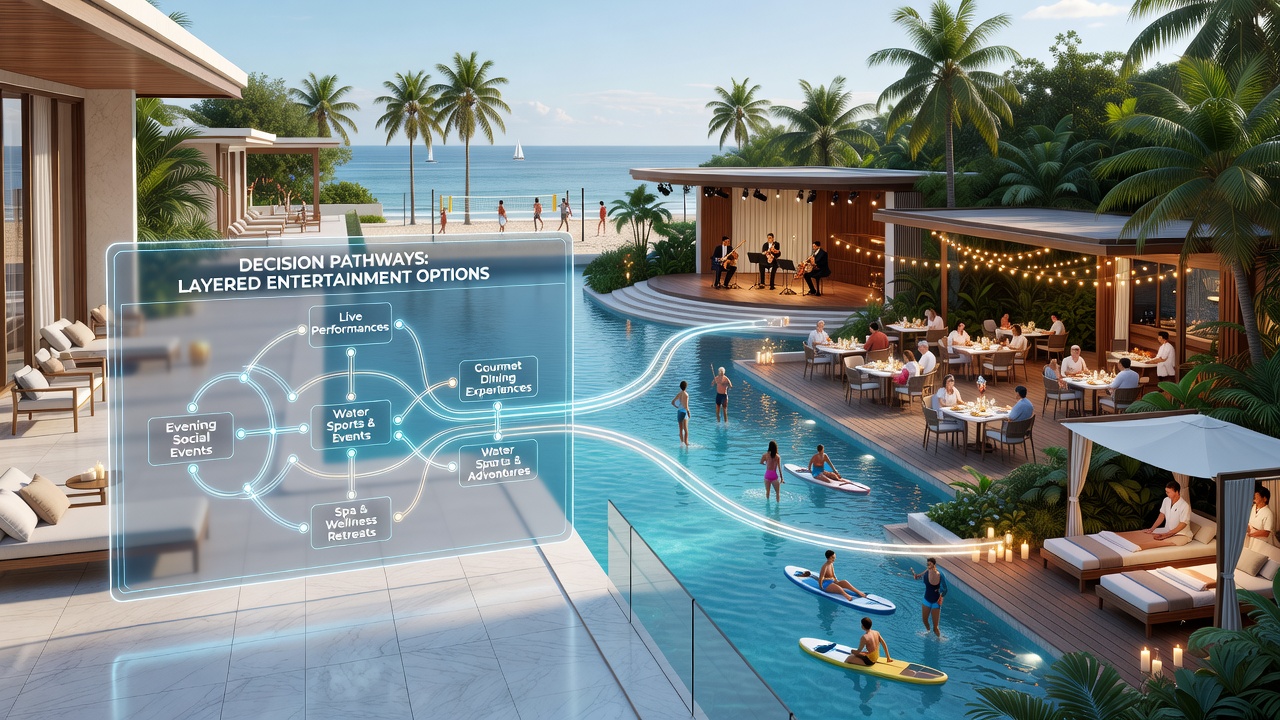
Integrated booking systems now allow simultaneous reservations for multiple layers, such as pairing a dinner slot with a subsequent theater ticket or gaming tournament entry, and this capability alters traditional sequential decision making. Guests who use these platforms complete more activities per visit because confirmation processes happen in one interface rather than across separate desks or apps. Operators in regions including Australia and parts of Europe have adopted similar platforms, with data indicating measurable increases in cross-category participation when digital integration improves.
Artificial intelligence models applied to historical guest data predict likely pathways with increasing accuracy, enabling resorts to position mobile notifications or staff assistance at key junctions. These systems account for variables like length of stay and prior visit history, which helps surface relevant suggestions without overwhelming users with every available option.
Seasonal and Event-Driven Shifts in June 2026
Planned expansions and special programming set for June 2026 at several large resort destinations will introduce additional layers, including temporary outdoor stages and limited-time culinary festivals that intersect with existing gaming and performance schedules. Property announcements indicate that these additions will require updated pathway signage and app updates to maintain smooth transitions between permanent and pop-up venues. Historical patterns suggest that such events temporarily elevate participation in adjacent activities, such as increased bar traffic near festival grounds or higher attendance at nearby shows.
Regulatory updates from bodies like the Nevada Gaming Control Board and equivalent agencies in other jurisdictions continue to influence how resorts present bundled entertainment packages, ensuring transparency in pricing and availability disclosures. These rules affect how pathways appear to guests who compare options across multiple categories before committing to specific sequences.
Conclusion
Tracing decision pathways through layered resort entertainment shows consistent reliance on spatial design, digital tools, and coordinated scheduling that together reduce cognitive load for visitors. Continued collection of movement data supports ongoing refinements to these systems, particularly as new seasonal offerings and technological features come online in periods such as June 2026. The result remains a structured environment where guests navigate complex choices through logical, observable routes rather than random exploration.