Analyzing Foot Traffic Patterns Near High-Limit Areas and Their Impact on Game Selection Choices
Written by Sofia Schmid · Jun 22, 2026
Analyzing Foot Traffic Patterns Near High-Limit Areas and Their Impact on Game Selection Choices
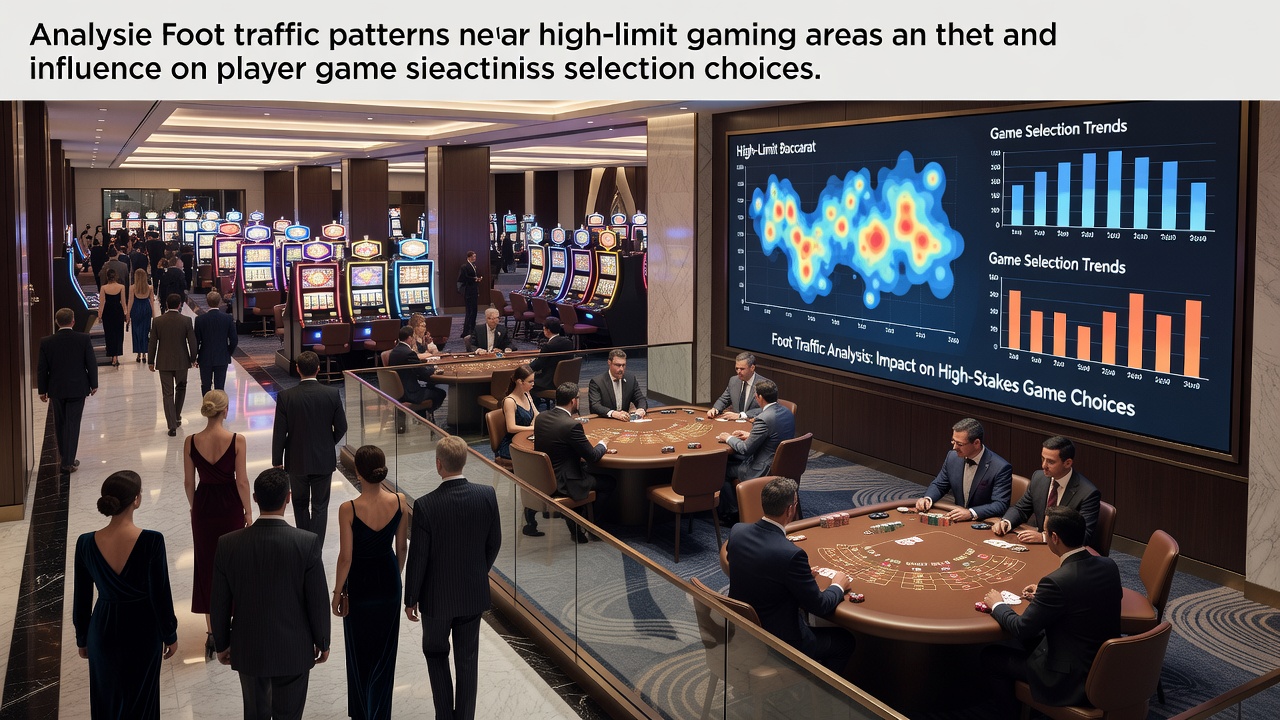
Casino operators track foot traffic patterns near high-limit areas through a combination of sensor networks, camera systems, and digital mapping tools that record how players move across the floor, and these measurements reveal consistent behaviors around game selection. High-limit zones typically sit in quieter corners or elevated sections where minimum bets start at $100 or more, and data collected from multiple properties shows that traffic density in these zones influences whether visitors choose slots, table games, or video poker nearby. Observers note that players often pause at the edges of these areas before deciding on lower-stakes options that still offer visibility into the premium sections.
Measurement Techniques Used in Modern Casinos
Facilities collect movement data with overhead cameras that count entries and exits every fifteen minutes while Wi-Fi tracking devices log device connections without capturing personal information, and this approach allows researchers to build heat maps that highlight dwell times. In June 2026 the Nevada Gaming Control Board published floor utilization statistics from thirty-two properties that demonstrated average dwell times near high-limit entrances reached twelve minutes during peak evening hours compared with four minutes in standard gaming sections. Analysts combine these figures with transaction logs to determine whether longer pauses correlate with specific game choices such as progressive slots positioned just outside the velvet ropes.
Observed Patterns and Player Behavior
Traffic flows tend to create natural corridors where visitors walk past high-limit signage before reaching mid-tier machines, and studies indicate that games located within twenty feet of these corridors receive thirty percent more plays than identical titles placed farther away. People often slow down when they see occupied high-limit tables because the activity signals excitement, yet most continue onward to machines with lower minimums that still sit inside the visual range. Researchers have documented clusters forming at transition points where carpet patterns change, and these clusters frequently result in players selecting video poker or blackjack stations that offer a balance between accessibility and proximity to premium play.
Technology Integration and Data Analysis
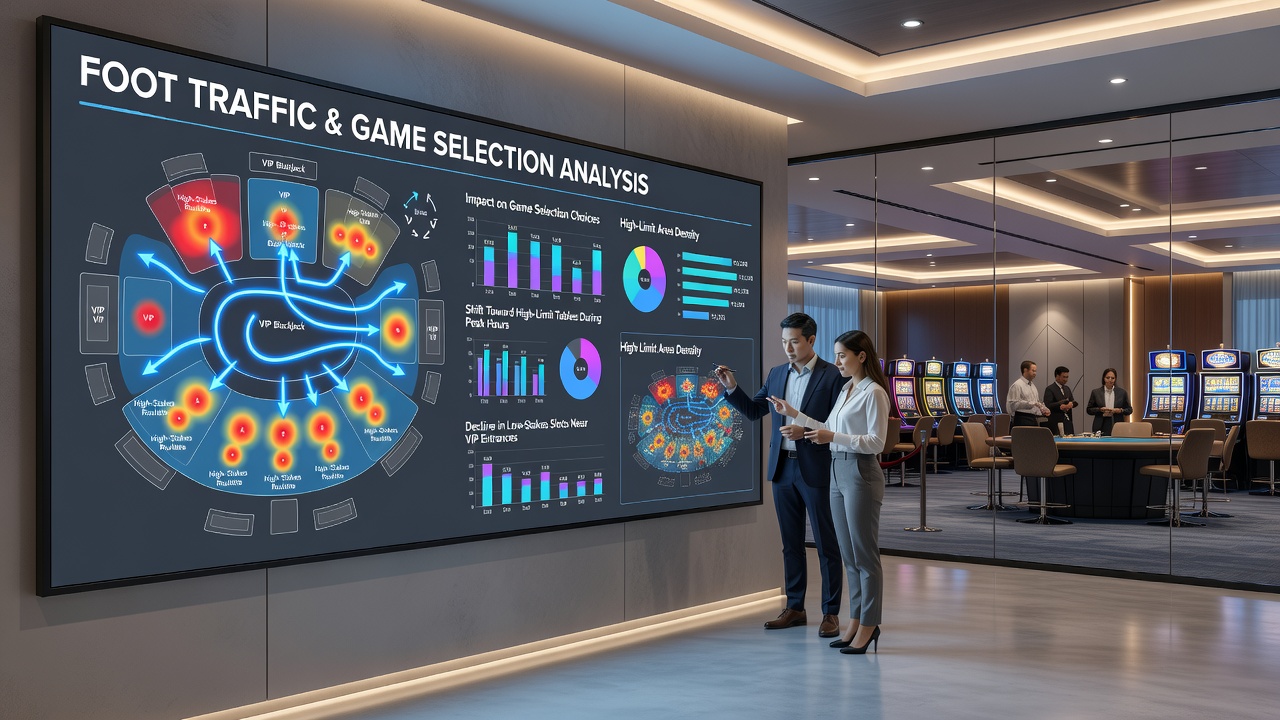
Software platforms now process real-time feeds from multiple sensors to predict peak traffic surges, and operators adjust game placements accordingly by moving popular titles into high-visibility lanes. One study conducted across three Canadian provinces found that repositioning slot banks along documented footpaths increased average daily handle by eighteen percent without altering payout percentages. The same analysis revealed that players who entered high-limit observation zones were more likely to select games with higher volatility, suggesting that exposure to premium environments shapes risk preferences even when actual wagers remain modest.
Regional Variations in Traffic Influence
Properties in the United States show stronger correlations between high-limit proximity and table game selection, whereas Australian venues report greater influence on electronic gaming machine choices according to figures from the Australian Institute of Criminology. European operators using similar tracking methods note that traffic patterns shift dramatically during tournament events when crowds gather near high-limit areas yet disperse toward tournament-style video poker terminals afterward. These geographic differences arise from regulatory frameworks and cultural preferences that affect how visibly premium sections are marketed to the broader floor.
Game Selection Outcomes Driven by Visibility
Placement data indicates that games positioned on the direct path between entrance and high-limit zones experience higher engagement rates because players encounter them while still deciding where to settle, and operators respond by rotating titles every ninety days to test new combinations. Evidence from university-led research at institutions tracking casino operations shows that electronic roulette terminals placed near high-limit entrances maintain steady play volumes even during slower daytime hours, whereas identical units located in remote corners see sharp declines. Players appear to use the high-limit area as a landmark when navigating large floors, and this navigational role extends the influence of premium zones beyond their physical boundaries.
Future Developments in Traffic Analytics
Emerging systems incorporate artificial intelligence to forecast how changes in one area will affect traffic distribution elsewhere, and early implementations have allowed managers to test layout adjustments through simulation before physical moves occur. Reports from industry associations indicate that properties adopting these predictive models reduced underperforming game placements by twenty-two percent in the first year of use. Continued refinement of sensor accuracy and integration with player loyalty systems will likely provide even more granular insights into how foot traffic near high-limit areas shapes decisions across the entire gaming floor.
Conclusion
Foot traffic analysis near high-limit areas supplies operators with measurable data that directly connects movement patterns to game selection outcomes, and ongoing advancements in tracking technology continue to refine these connections. Facilities that integrate sensor networks with transaction records can identify precise locations where visibility drives engagement, while regional studies highlight variations that reflect local regulations and player preferences. As June 2026 data and subsequent reports demonstrate, the relationship between premium zone proximity and broader floor activity remains a key factor in layout planning and game placement strategies across multiple markets.